AI news November 23, 2026: OpenAI proposes shared limits, Google subscription in third-party tools on December 2, OpenClaw 2026.11.7
Short answer: The main points from November 22 to 23: OpenAI's Jakub Pachocki argues on X for common limits based on perplexity; a Google subscription may open in third-party tools on December 2, while anyone using a shim now risks a ban; OpenClaw 2026.11.7 is on GitHub; the Grok Bot team is looking into quality complaints. Earnings claims, paste prompts and curl installers are unconfirmed or risky.
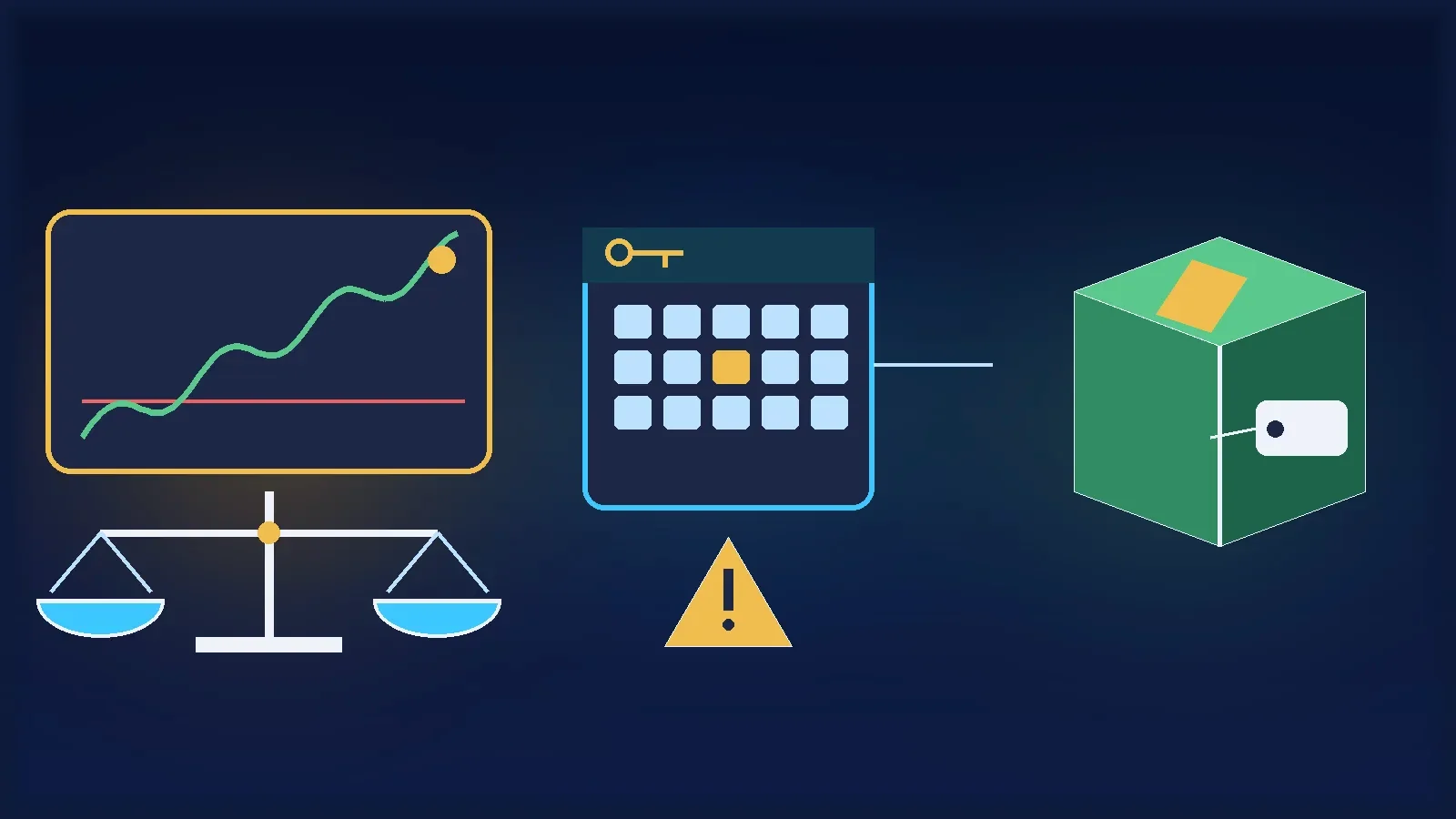
Illustration by Claude (AI), drawn with code: scales with a threshold line (OpenAI), a key card with calendar and warning (Google subscription) and a version package (OpenClaw).
OpenAI: shared limits based on perplexity proposedConfidence: medium to low: two posts, no reading of the OpenAI piece ourselves; no threshold values confirmed.
Jakub Pachocki, OpenAI's chief scientist, writes on X that in the piece 'Perplexity and Intelligence' he argues for common limits based on perplexity and other measurements. According to his post, progress beyond those limits should only happen once we can understand AI behavior. The post drew about 7.2 million views. Reuters says in its own post that the proposal is backed by CEO Sam Altman. We could not read the original OpenAI piece, so what follows is what the posts themselves say.
What this means: perplexity is a measure of how well a model predicts the next pieces of text. A lab that publishes such a measure gives others something checkable to refer to. Whether other labs join, and which thresholds apply, is not settled. For the context of the newest models, see our article on GPT-6.2 Astra and Sol and our article on misuse detection at OpenAI and Anthropic.
Sources: @merettm (Jakub Pachocki) over Perplexity and Intelligence op X · @Reuters over het voorstel op X
Google subscription possibly open to third-party tools from December 2; bans for people using shims nowConfidence: low to medium: the date comes from a rumor with an official hint; the bans are individual user posts; the forum quote is second-hand.
@testingcatalog reports (95 thousand views) that several hints point to a Google AI subscription becoming available in third-party harness apps on December 2, with Hermes among the first. That rests on a post by @OfficialLoganK from November 20: 'December 2nd we take the first step'. What that step involves has not been officially explained.
At the same time @yuvadm (168 thousand views) was banned after a single prompt through a shim for Antigravity. @NNK_A quotes Google forum staff saying that using third-party agents or tools to access Antigravity violates the terms of service. We did not find that quote ourselves.
What this means: anyone using the subscription through a workaround in a third-party tool risks a ban, according to these posts. The safest course is to wait for what Google publishes officially on December 2, or to use the paid API. Background on the model itself is in our article on Gemini 4 Neon, and on the tool in our article on Hermes Agent 0.23.2.
Sources: @testingcatalog over 2 december op X · @OfficialLoganK: 'December 2nd we take the first step' op X · @yuvadm over een ban via een shim op X · @NNK_A over de voorwaarden van Antigravity op X
OpenClaw 2026.11.7 is on GitHubConfidence: medium for the existence of the tag (page read); low for the contents of the release (not found).
GitHub shows the OpenClaw tag v2026.11.7, signed and marked as verified, timestamped November 22, 23:53 (time zone not stated). The page carries no release text of its own. Our source briefing mentions recovery of interrupted replies, more reliable automations and two breaking SDK changes; we could not check those details on the page. We have not yet seen a post by @openclaw itself.
What this means: anyone with their own plugins or SDK code is better off waiting until the release notes or changelog are available before updating. We described the previous big step, with approval first, in our article on the approval step in OpenClaw 2026.11.4.
Sources: OpenClaw v2026.11.7 op GitHub
Grok Bot: team looks into complaints about slower or less sharp behaviorConfidence: medium: post by an employee according to their own bio; cause unknown.
@nullswan, who according to his bio works on @grok and @bot, writes that a few users felt Grok Bot was slower or less sharp this weekend and that the team is looking into it. He asks for request IDs of before and after pairs. We know nothing beyond that; no cause or fix has been named.
What this means: anyone running daily tasks on Grok Bot can keep a before and after example with the request ID. We wrote earlier about the team bots in our article on Grok Bot 1.0 and the team bots.
Unconfirmed and warnings: tips, figures, paste prompts and installersConfidence: low: single posts without a primary source; included as a warning.
A user writes that Claude Code by default only compacts around 967 thousand tokens and that setting it back to 400 thousand keeps the memory sharper (@nateherk, 40 thousand views). We did not check that in the documentation. A post by @randgroup says more US businesses pay for Claude than for ChatGPT (44.8 percent); the underlying dataset is not in the post. @trevin wrote about a possible settlement with Amazon via Grok Bot (507 thousand views), but the December 1 deadline from another post is unchecked. The rumor that Musk would buy 50 percent of NVIDIA is unconfirmed.
Warning: posts asking you to paste an unknown prompt into your bot (@Mahaximus_, 77 thousand views), installers started in a shell through curl (@umanitek) and wrappers that route your subscription (@vildanden_ai) are risky. Prompts of unknown origin can contain instructions your bot carries out, and a wrapper can lead to a ban. Read the code first. About the latest Claude Code release we wrote in our article on Claude Code 2.1.330.
Sources: @nateherk over auto-compact op X · @randgroup over zakelijke betalers op X · @trevin over de Amazon-schikking op X · @Mahaximus_ over een plak-prompt op X · @umanitek over een curl-installer op X · @vildanden_ai over een wrapper op X
Primary sources: OpenAI: Jakub Pachocki over Perplexity and Intelligence (X) · OpenClaw: tag v2026.11.7 (GitHub) · Google: Logan Kilpatrick over 2 december (X)